
Learn what chs steel is, where it is used, and what to consider before choosing it for construction and fabrication projects.
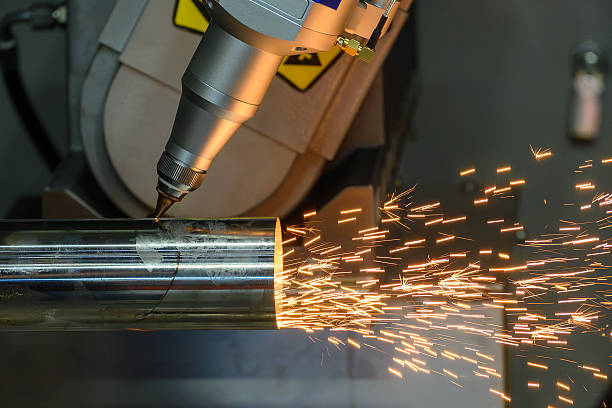
Chs steel
Circular Hollow Section steel is widely used in construction, engineering, and fabrication because of its clean shape, balanced strength, and practical performance. It is a common choice for structural applications where appearance, load distribution, and space efficiency all matter. Its circular profile also makes it suitable for projects that require a modern finish or reduced sharp edges compared with other structural sections.
In simple terms, chs steel is a hollow steel section with a round cross-section. It is often selected for columns, frames, support members, railings, and other structural components. Because the shape distributes stress evenly around the section, it performs well in applications that involve compression and torsion. This makes it useful in both functional and architectural settings.
Common Applications
This type of steel appears in a wide range of industries. In building construction, it is often used for columns, trusses, and structural supports. In industrial settings, it may be used for machinery frames, protective barriers, and piping-related structures where strength and consistency are important. It is also frequently chosen for outdoor structures such as canopies, gates, and sign supports because the smooth surface is easier to finish and maintain.
Another reason it is widely specified is its visual appeal. The round profile creates a cleaner and more refined look than some alternative sections, which can be useful in projects where the structure remains visible. Architects and fabricators often value this balance between performance and appearance.
Benefits to Consider
One key advantage of chs steel is its uniform geometry. The circular shape helps spread loads more evenly, which can support structural stability in the right application. It also offers good resistance to twisting, making it suitable for specific engineering requirements. In addition, the smooth outer surface can simplify coating, painting, and finishing work.
Material efficiency is another factor. Depending on the design, hollow sections can provide a useful strength-to-weight balance. This may help designers achieve structural requirements without adding unnecessary bulk. However, suitability still depends on the project’s load demands, connection details, and design standards.
What to Check Before Buying
Before selecting a hollow section, it is important to review the required dimensions, wall thickness, grade, and finish. Not every product is appropriate for every use. The right specification depends on whether the steel will be used indoors or outdoors, for heavy structural loads or lighter fabrication work, and whether corrosion protection is needed.
Buyers should also consider fabrication needs such as cutting, welding, and joint design. While round sections offer several advantages, connection details may require more planning than with flat-sided profiles. Clear project requirements and supplier information can help avoid specification errors.
Overall, chs steel remains a practical option for projects that require a combination of structural performance, clean design, and versatility. For builders, engineers, and buyers, understanding the intended use and technical requirements is the best way to choose the right chs steel solution.