
Learn what a stick vape is, how it works, and what to consider before choosing one for everyday use.
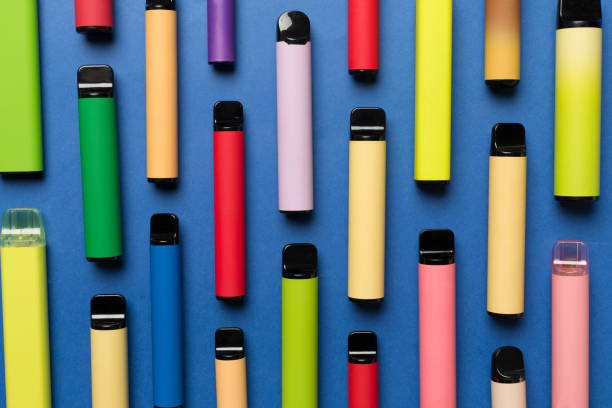
Stick vape
For many consumers, a stick vape is defined by simplicity, portability, and a slim design that fits easily into daily routines. Its appeal usually comes from ease of handling rather than technical complexity. Compared with larger devices, this format is often associated with a more straightforward user experience, making it easier for people to understand basic features, charging needs, and maintenance expectations before making a choice.
Because the category is broad, it helps to look beyond appearance. Size matters, but so do build quality, battery consistency, draw style, and overall convenience. A well-designed product should feel practical for regular use, not just visually appealing at first glance. That is why a neutral comparison is useful, especially for people who want to make an informed decision based on usability rather than branding alone.
What should buyers evaluate first?
The first thing to assess is how the device fits into everyday use. A slim product may be easy to carry, but comfort, grip, and handling also affect the overall experience. When comparing a stick vape, buyers should pay attention to whether the design feels intuitive and whether the product seems suitable for their routine.
Battery reliability is another important factor. A compact format can be convenient, but it should still offer enough consistency to avoid unnecessary interruptions. Charging method, expected usage pattern, and day-to-day practicality are often more relevant than surface-level design details.
Maintenance also deserves attention. Some products are valued because they reduce friction in regular use, while others may require more effort to keep clean or operating smoothly. Looking at replacement needs, cleaning habits, and general upkeep can help buyers avoid frustration later.
Why design and usability matter
A simple format often attracts users who prefer convenience over complexity. That does not mean every device in this category offers the same experience. Small differences in construction, airflow, and overall finish can affect how comfortable the device feels over time.
Design also influences how easily a product fits into a routine. A device that stores well, travels easily, and feels comfortable in hand may be more practical than one that focuses mainly on visual style. In many cases, long-term satisfaction comes from consistency and ease of use rather than extra features that add little value.
It is also worth remembering that a cleaner design can support better decision-making. When a product is easier to understand, buyers can spend less time figuring out operation and more time assessing whether it genuinely matches their needs.
How to compare options objectively
The most effective comparison starts with intended use. Some buyers want a more compact option for portability, while others care more about durability and comfort during regular handling. Instead of asking which product is the most popular, it is more useful to ask which one best suits personal preferences and daily habits.
Price should be considered, but not in isolation. A lower-cost option may seem attractive at first, yet value depends on how well the device performs over time. A balanced evaluation usually includes build quality, convenience, and maintenance alongside cost.
In the end, choosing a stick vape is less about chasing features and more about understanding what will feel practical in everyday use. Buyers who compare design, reliability, and upkeep carefully are more likely to make a measured decision. For anyone researching stick vape options, a clear and realistic comparison is the best place to start.